Dry, Itchy Scalp and Hair Loss? Here’s What You Can Do About It

Did you know that shedding hair and an itchy scalp can be related? Recent scientific research and studies have shown that there’s a direct link between hair loss and scalp irritation.
Although dealing with both conditions at the same time is difficult, the good news is that identifying and treating the root cause may provide relief for both issues at once.
Let’s take a look at the science and explore solutions!
Scientific Studies Reveal A Strong Itch–Loss Connection
Recent research has strengthened the case for a connection between pruritus (scalp itch) and hair loss. In a 2020 study published in the Journal of American Academy of Dermatology, which involved 648 dermatology patients, 25.3% reported chronic itch, while 40.2% experienced hair loss, often simultaneously. Black patients, in particular, were more likely to experience both symptoms, with a 2.13-times increased risk.
Telogen effluvium (TE), a common form of temporary hair shedding, was strongly associated with itch and scalp sensitivity. In one study, 42% of patients with TE also reported itch, and 50% experienced trichodynia (a burning or tingling sensation of the scalp). Similarly, patients with alopecia areata often notice itching before any hair loss becomes visible. A study in Dermatology Reports reported similar findings in 2023.
These studies suggest that scalp discomfort and hair shedding aren’t just coincidental. In many cases, they feed into one another.
Let’s take a closer look at how this cycle works and which comes first.
The Dry, Itchy Scalp and Hair Loss Loop
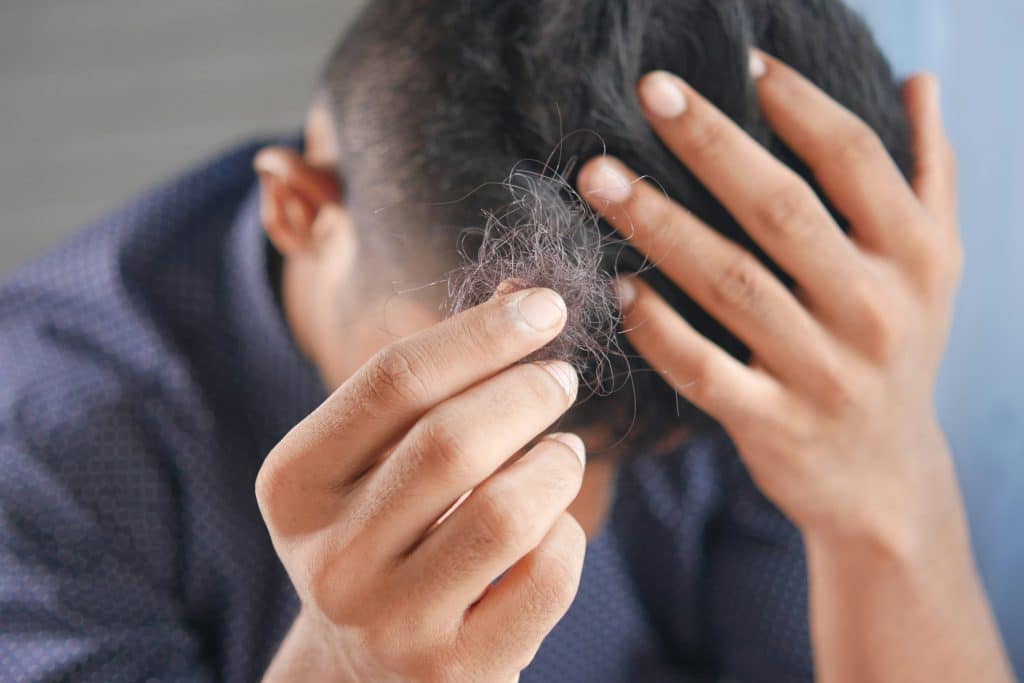
The cycle of itching and shedding can be a chicken-and-egg situation. Which came first? Is the itching causing the shedding, or is the shedding causing the itching?
This cycle typically looks like one of these:
Hair loss causes follicular inflammation. The body’s immune response causes an itchy sensation that leads to scratching, causing more irritation and hair loss.
Scalp inflammation causes itchiness, and scratching to get relief damages the hair follicles, leading to shedding.
This self-perpetuating loop can exacerbate and prolong both symptoms at the same time. That’s why it’s so important to identify the underlying condition and find an effective solution.
Common Root Causes
Once you determine why the itchy scalp and hair loss are occurring, you can take targeted steps to overcome both issues, ideally at the same time.
Here’s a brief look at common root causes associated with both symptoms:
- Seborrheic Dermatitis: Often referred to as dandruff, seborrheic dermatitis can cause flaking skin, oily patches, redness, and thinning hair.
- Scalp Psoriasis: Roughly half of those with psoriasis have symptoms on the scalp, which may include thick, raised plaques of skin, burning, stinging, itchiness, flaking, and graying and/or thinning hair.
- Tinea Capitis: Although this fungal infection is most common among children, adults can get it, too. It causes intense itching and circular bald patches.
- Alopecia Areata: This autoimmune condition isn’t dangerous, but it can cause an itching or tingling sensation followed by rapid, patchy hair loss.
The combination of a dry, itchy scalp and hair loss can have other triggers, such as an iron deficiency, hormonal imbalance, or stress. And in some cases, it could just be excessive dryness caused by seasonal or environmental changes.
Is Your Flaking Normal or Abnormal?
Dry, flaky skin isn’t always a cause for alarm. Here’s a quick guide to help you differentiate between normal and abnormal flaking.
Normal:
- Flakes are small and white
- Redness and itchiness are mild
- Hair sheds normally (under 100 hairs daily)
Abnormal:
- Flakes are yellow and greasy
- Redness and itchiness are intense or constant
- Hair sheds excessively (more than 100-150 hairs daily)
- Bald patches or visible thinning
If your itchy scalp and hair loss continue for more than a month or so, or if the symptoms seem to be worsening even with proper care, you may need to seek out a treatment or get a recommendation from a healthcare professional. The earlier the better!
Common Over-the-Counter Treatments
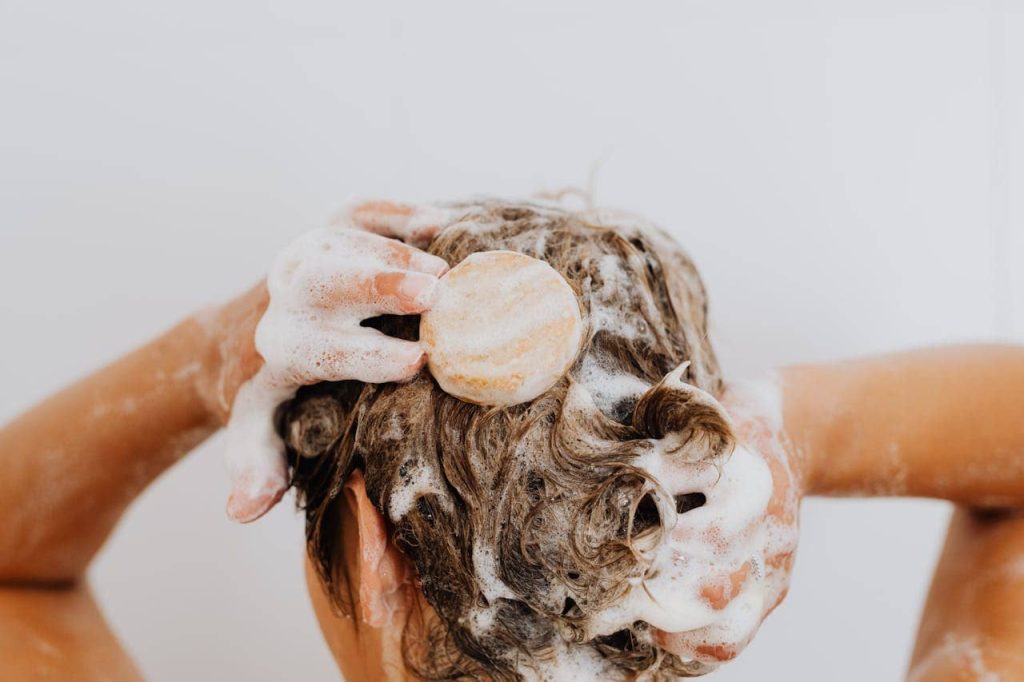
Here are some common OTC treatments that may provide relief for milder symptoms.
- Medication Shampoos and Topical Products: Look for science-backed ingredients like ketoconazole 1–2%, zinc pyrithione 1%, selenium sulfide 2.5%, and coal tar.
- Nutritional Supplements: Supplements that may help with a dry, itchy scalp and hair loss include vitamin B7 (biotin), saw palmetto, and collagen peptides.
Restore Your Natural Hair with LLLT
Low-Level Laser Therapy (LLLT) is a non-invasive treatment that uses gentle, low-intensity laser light to stimulate cellular activity and awaken dormant hair follicles. It’s safe, natural, effective, and backed by science.
We invented the original LaserCap, which is a full-coverage, prescription-strength LLLT device you can wear at home or on the go! Many of the world’s leading hair restoration specialists recommend LaserCap, and once you try it, you’ll understand why.
Take our hair health quiz, and feel free to contact us if you have any questions about how LaserCap can help with an itchy scalp and hair loss. If you’re ready to start your journey towards happier, healthier hair, place your order online now. Get your LaserCap Kit!