Hair Loss in Women Over 40: Causes, Damage, and Practical Ways to Support Regrowth
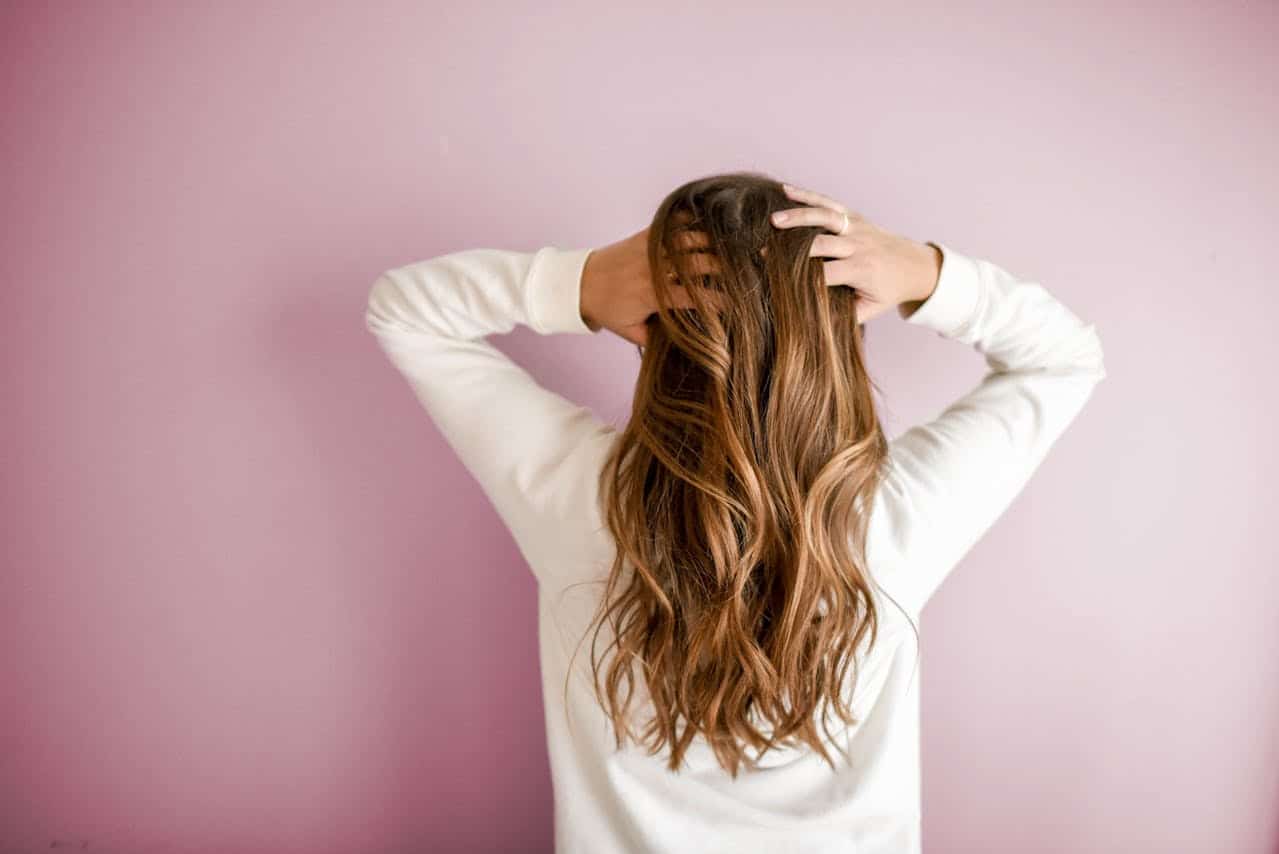
Hair changes often become more noticeable during pivotal moments, especially during a person’s 40s. Many women begin to see early signs around that time, such as hair thinning at the crown, increased shedding, or reduced volume when styling.
These shifts are common and supported by research. 21 million women in the US alone experience Female Pattern Hair Loss, also known as Androgenetic Alopecia, according to research.
Hair loss at this stage is rarely caused by one factor. Hormonal changes, long-term styling habits, and cumulative damage can all contribute. Understanding those reasons helps create a more practical path forward.
Why Hair Thinning Becomes More Visible In Your 40s
Hormonal shifts play a major role in how hair behaves over time. As estrogen levels decline, the hair growth cycle can shorten, which may lead to finer strands and slower regrowth. Hair follicles may also become more sensitive to dihydrotestosterone (DHT), which can gradually reduce density.
This process often appears as hair thinning at the crown or a widening part. A review in the International Journal of Women’s Dermatology explains that these changes can develop gradually, which is why early attention can support better outcomes.
Traction Alopecia and Long-Term Styling Stress
Daily styling habits affect hair health more than many women realize. Traction alopecia develops when repeated tension is placed on the hair through tight ponytails, braids, or extensions over time. Repeated stress can weaken follicles and disrupt normal growth cycles.
Heat styling and chemical treatments can add further strain. Tools such as flat irons can reach temperatures above 350°F, and repeated exposure can weaken the hair shaft. Chemical processes like bleaching or relaxing can further reduce hair strength, especially when used often.
The Emotional Impact of Hair Loss in Women
The feelings associated with hair loss in women are significant. Changes in hair density can adversely affect confidence, daily routines, and comfort in social or professional settings. The International Journal of Women’s Dermatology claims that up to 55% of women with hair loss show signs of depression.
Gentle Styling and Scalp Care That Support Hair Health
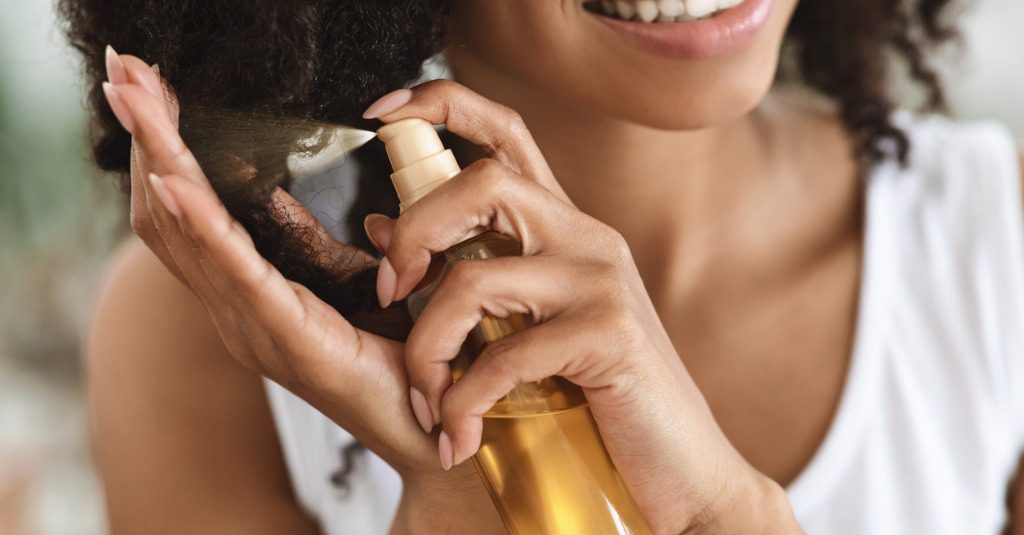
Small adjustments in daily routines can help reduce ongoing stress on the hair and scalp. Loose hairstyles, soft hair ties, less frequent heat styling, and partial air drying can all help protect the hair shaft.
Scalp care also matters. A consistent routine may include cleansing two to three times per week, light exfoliation once weekly, and regular scalp massage for several minutes to support circulation. Before and after results can also help set realistic expectations for progress over time.
Conclusion
Hair loss in women over 40 is common, complex, and often influenced by both biology and daily habits. With earlier attention, gentler styling, and steady scalp care, women can take practical steps that support healthier hair and a stronger sense of confidence.