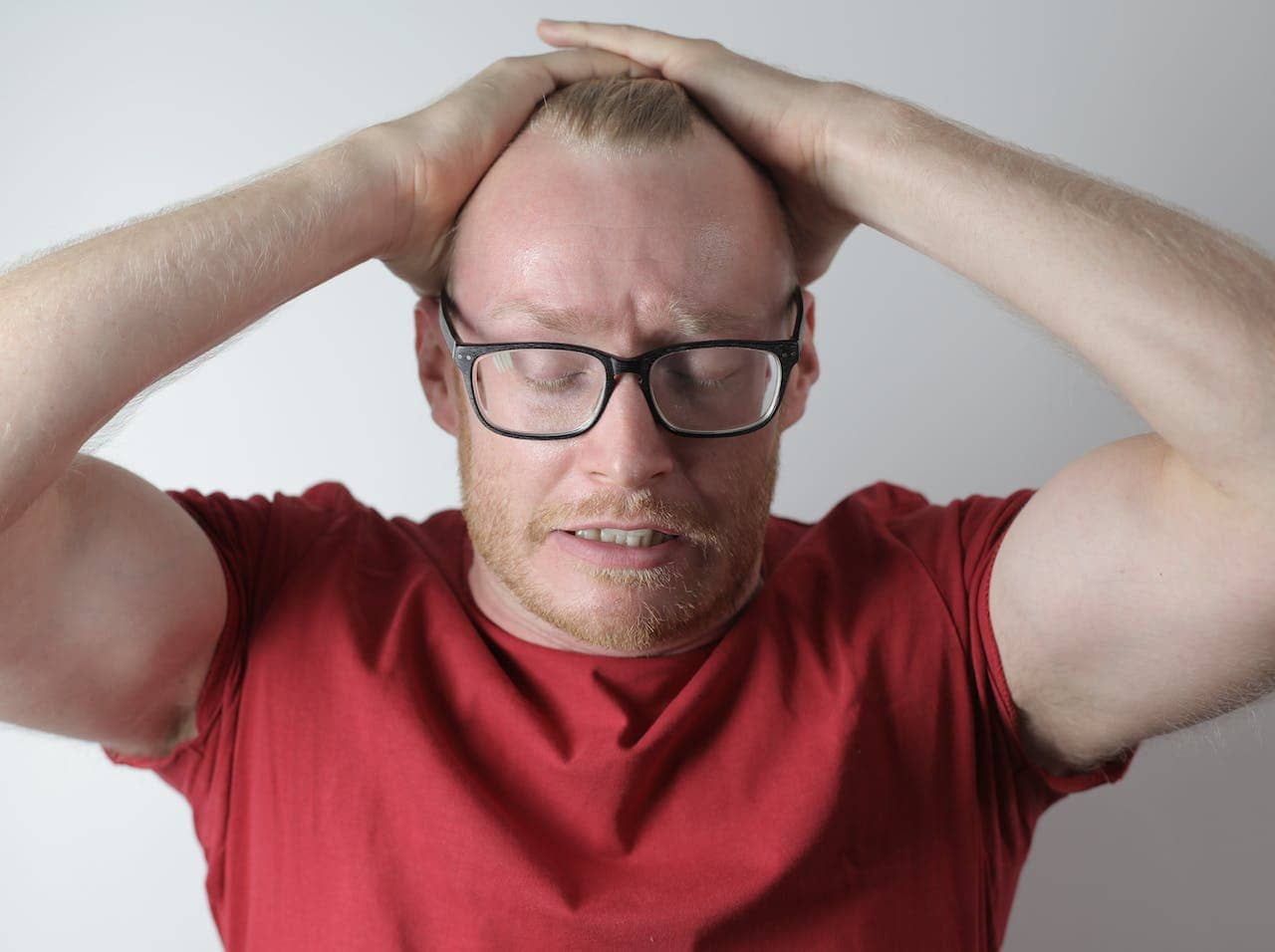
Hair Loss Treatment Comparison Guide
Hair loss treatment today offers more options than ever, giving people a clear path to take action early and consistently. Clinical research continues to show that addressing hair thinning at the follicle level can help maintain density and support regrowth over time. With several evidence-based approaches available, understanding how each one works can help you choose a plan that fits your goals and lifestyle.
Understanding the Main Categories of Hair Loss Treatments
Most treatments for Androgenetic Alopecia (male and female pattern hair loss) fall into three categories: topical solutions, oral medications, and device-based therapies. Each works through a different biological pathway.
Oral medications such as finasteride are prescribed to reduce levels of dihydrotestosterone (DHT), a hormone linked to follicle miniaturization. Research published in the Journal of the American Academy of Dermatology shows finasteride can slow hair loss progression and support regrowth in many patients over a 6 to 12 month period.
Device-based options like Low-Level Laser Therapy (LLLT), also called Photobiomodulation Therapy (PBMT), use gentle, low-intensity laser light to stimulate cellular activity in hair follicles. Clinical trials have demonstrated improvements in hair density with consistent use several times per week.
Comparing Popular Hair Loss Treatments
Below is a simplified comparison of common treatment options:
| Treatment Type | How It Works | Timeline | Pros | Considerations |
| Minoxidil (topical) | Increases blood flow and prolongs growth phase | 3–6 months | Widely available, easy to start | Requires daily use |
| Finasteride (oral) | Reduces DHT levels | 6–12 months | Targets root hormonal cause | Requires prescription |
| LLLT Devices | Stimulates follicle energy production | 3–6 months | Non-invasive, drug-free | Requires consistent sessions |
| Hair Transplant | Moves follicles to thinning areas | 6–12 months | Permanent redistribution | Surgical procedure |
This chart highlights how each option differs in mechanism, commitment level, and expected timeline.
Common Myths and Misconceptions
Hair loss treatments are often misunderstood, which can delay effective action. One common belief is that treatments work immediately. In reality, hair grows in cycles, and measurable changes typically take several months.
Another misconception is that one treatment works for everyone. Individual response varies based on genetics, age, and stage of hair loss. Clinical guidance from a doctor or hair loss specialist helps determine the most appropriate approach.
There are also some concerns around safety, especially for medications and topical treatments. Low-Level Laser Therapy devices for hair regrowth, on the other hand, are FDA-cleared and are not associated with any serious adverse side effects when used as directed.
Tips for Combining Treatments Safely
Combining treatments can improve outcomes when done thoughtfully. Many hair loss specialists recommend pairing therapies that address different mechanisms.
For example, a topical like minoxidil can be used alongside an LLLT device to support both blood flow and cellular activity. In some cases, an oral medication may be added to address hormonal factors.
Consistency plays a critical role in combination therapy. Following a set schedule, such as applying topical treatments daily and using a device three times per week, helps maintain steady stimulation of the follicles.
Before starting any combination, it is important to consult a qualified doctor or hair loss specialist. They can evaluate your medical history, confirm the type of hair loss, and guide safe integration of treatments.
Choosing a Treatment Plan That Fits Your Routine
Selecting the right treatment often comes down to sustainability. A plan that fits into your daily or weekly routine is more likely to deliver results over time.
Look for options that align with your schedule, comfort level, and long-term goals. Tracking progress with photos every 60 to 90 days can help you stay engaged and assess changes objectively.
Hair loss treatment is a long-term commitment, but with the right combination of science-backed options and consistent use, many people see meaningful improvements in hair density and overall scalp health.