How Heat, Sweat, and Sun Exposure Can Affect Your Scalp

Key Takeaways
- Heat and humidity can change scalp balance quickly, so a steady routine matters.
- Sun exposure and sweating on your head can dry the scalp and make irritation more noticeable over time.
- Managing sweat, buildup, and UV exposure can help support a healthier environment for hair growth.
Summer can be great for outdoor time, exercise, and travel, but it can also make your scalp work harder than usual. Higher temperatures increase sweat production, stronger UV exposure affects the skin barrier, and more time outside can leave the scalp feeling oily, dry, or irritated in the same week. That combination often catches people off guard because the scalp is easy to overlook until symptoms become uncomfortable.
One of the most common complaints in warm weather is sweating on the head. It can happen during a walk, after a workout, while sitting in traffic, or even after a few minutes in direct sunlight. Sweat itself is a normal cooling response, but when it stays on the scalp and mixes with oil, sunscreen, styling products, and environmental debris, it can create the kind of buildup that affects comfort and routine.
Why Summer Conditions Change the Scalp
The scalp has a high concentration of hair follicles, oil glands, and blood vessels, which means it responds quickly to heat. When temperatures rise, sweating on the head often increases, especially around the hairline, crown, and back of the neck. In humid weather, sweat evaporates more slowly, so moisture sits on the scalp longer and can make hair feel heavier at the roots.
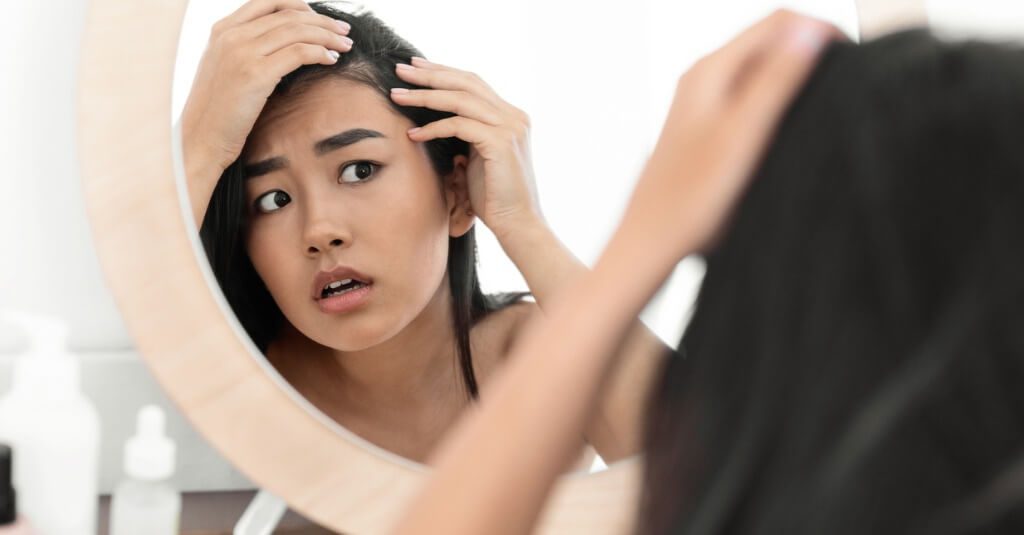
That lingering moisture can also increase sweating from scalp discomfort during the day. If you already have a sensitive scalp, this pattern may lead to tightness, tenderness, or an itchy scalp from sweating after exercise or long hours outdoors. In practical terms, that can mean your hair feels less clean by midday even if you washed it that morning.
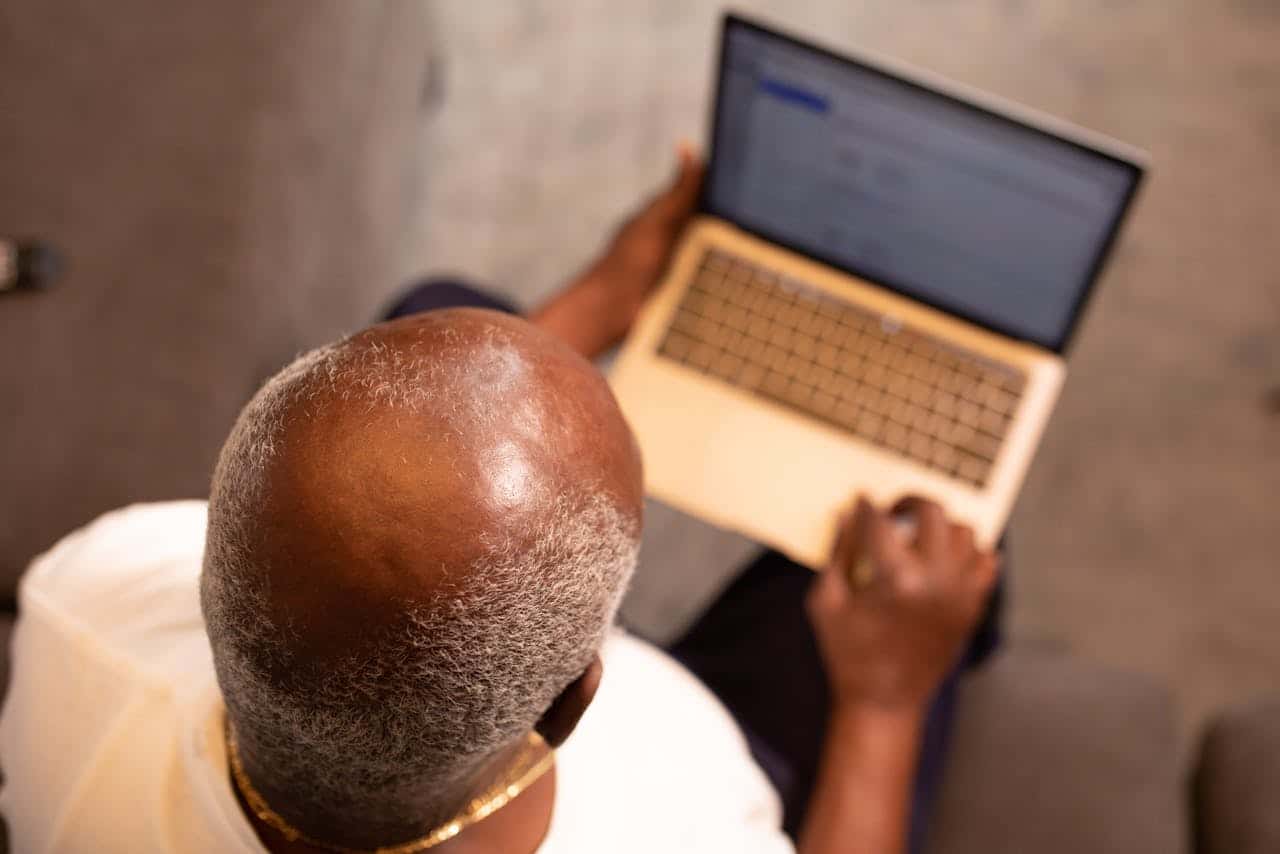
Sun exposure adds another layer. The scalp is skin, and like skin elsewhere on the body, it can become dry, irritated, and more reactive after repeated UV exposure. If your hair is fine, thinning, or parted in the same place every day, the scalp may be getting more direct sun than you realize.
Sweat and Buildup Can Make Irritation Worse
Frequent sweating on your head does not automatically cause scalp problems, but it can make existing issues easier to notice. Sweat contains water and salt, and when it dries on the skin, it can leave the scalp feeling rough or tight. Add styling products, dry shampoo, or mineral-heavy water, and buildup can form faster than expected.
That is one reason sweating from the scalp can feel different in summer than it does in cooler months. The scalp may look oilier while still feeling dehydrated underneath. Some people also notice an itchy scalp from sweating when they wear hats for long periods or keep their hair tied up tightly during hot weather. Friction, trapped heat, and less airflow can all play a part.
Gentle cleansing helps deal with sweating on the head, but overwashing is not always the answer. Shampooing too often with a harsh cleanser strips the scalp barrier and leaves skin more reactive
A balanced routine usually works better. Cleanse after heavy sweating, use a mild shampoo for regular washes, and add a clarifying wash every 1 to 2 weeks if product residue builds up quickly.
How to Reduce Discomfort Without Overcomplicating Your Routine
The best summer routines are simple enough to maintain consistently. If sweating on your head is a daily issue, start by rinsing the scalp soon after workouts or time in the heat. That quick step can remove salt and reduce the chance that sweat dries on the skin for hours.
Choose lightweight products that do not coat the scalp. Heavy creams and thick oils can trap heat and make sweating from the scalp feel more persistent. If you use dry shampoo, apply it sparingly and brush it through well so the powder does not collect near the follicles.
For people dealing with an itchy scalp from sweating, cooling the scalp matters too. A breathable hat, a looser hairstyle, and time out of direct afternoon sun can make a difference. Washing hats and pillowcases regularly also helps reduce the mix of sweat, oil, and residue that sit against the scalp night after night.
Sun Protection Matters for the Scalp Too
When people think about sun care, they usually think about the face, shoulders, or arms. The scalp often gets missed, even though it is one of the easiest places to burn. Repeated UV exposure leaves the scalp drier and more sensitive, which makes sweating on your head feel even more irritating later in the day.
A hat with airflow is one of the easiest forms of protection from sweating on your head. If you prefer not to wear a hat, a scalp-friendly SPF product along the part line can help. This is especially useful if you spend several hours outside between late morning and mid-afternoon, when UV intensity tends to be stronger.
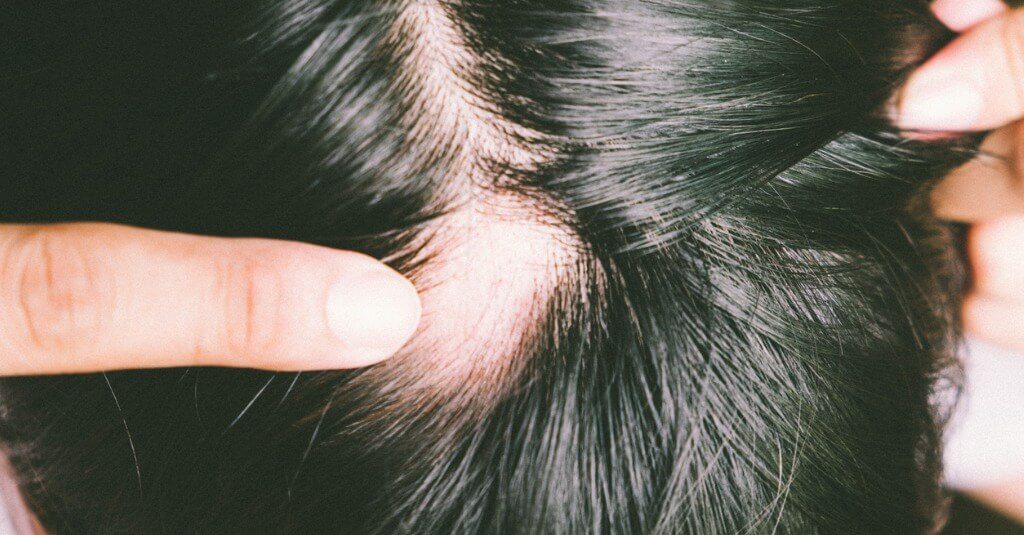
Sun exposure can also make you more aware of changes in density because bright light reveals more of the scalp. If you think this may be an issue, be sure to act early to prevent the problem from worsening.
When Seasonal Symptoms Start Affecting Hair Feel and Appearance
By midsummer, some people notice more shedding in the shower or more strands on the brush. Seasonal factors do not tell the whole story, but scalp health still matters because irritation and buildup can affect how hair looks, feels, and styles. Persistent sweating on your head may flatten volume at the root, while repeated sweating from the scalp can make washed hair feel less fresh within hours.
That does not mean every change is a sign of a larger issue. Often, the first step is improving scalp conditions through consistent cleansing, UV protection, and lighter products.
Many people also find that their itchy scalp from sweating improves once they stop letting things sit too long after workouts or outdoor activity. If discomfort continues despite routine changes, it is smart to speak with a doctor or hair loss specialist for individualized guidance.
A steady routine can support scalp comfort all summer
Summer scalp care does not have to be complicated, but it does need attention. Managing sweating on the head with prompt rinsing, breathable styling, and smart cleansing can help keep the scalp more balanced. Protecting the scalp from direct sun, reducing heavy product buildup, and responding early to an itchy scalp from sweating can also improve day-to-day comfort.