How to Prevent Hair Loss with Weight Loss
Experiencing hair loss during weight loss is more common than many realize. Shedding those extra pounds can work wonders for your wellness and self-esteem, but the surprising side effect of shedding hair, too, can feel like a significant setback. We’re here to help!
The good news is that although hair loss is naturally concerning, it’s typically caused by temporary stress and nutritional deficiencies, not permanent damage to your hair follicles. In most cases, it’s reversible!
In this guide, we’ll explore why this phenomenon occurs, highlight risky eating plans, provide tips for supplementing your diet, and introduce you to effective solutions that are backed by scientific research. Let’s dive in!
Why Do New Diets Sometimes Cause Hair Loss?
First, let’s talk about why dieting can interrupt the natural growth cycle of hair. There are four main causes of hair loss with weight loss:
1. Inadequate Nutritional Intake
For hair follicles to support cell division and produce keratin (the protein that gives hair its structure), they need to get enough B vitamins, amino acids, biotin, iron, and zinc. Some diets can cause nutritional deficiencies that prevent the healthy growth of your mane.
2. Hair Cycle Disruption
An unusual shift in eating habits can trigger a temporary condition called telogen effluvium, which is when up to 30% of follicles rapidly switch from their growth cycle into their resting phase, leading to hair loss during weight loss.
Telogen effluvium typically causes hair to start thinning evenly, rather than individual bald spots. Fortunately, this cause of hair loss with weight loss usually resolves on its own after the underlying cause is eliminated and the body’s natural balance is restored.
3. Emotional and Physical Stress
It’s not just the nutritional and caloric deficiencies that make crash diets problematic. It’s common for dieters to drastically increase exercise levels, have difficulty sleeping, and feel intense pressure about reaching their weight goals.
These stressors can take a toll on physical, mental, and emotional health, causing inflammatory markers and cortisol to increase. Those elevated levels can constrict the scalp’s blood flow, cutting off the nutrients and oxygen hair follicles need to grow properly.
4. Hormonal Changes
Hair loss with weight loss can often be attributed to diet-related fluctuations in insulin, cortisol, thyroid hormones, and sex hormones. For instance, if you’re not getting enough carbs, your thyroid function may suffer, slowing the turnover of hair follicles.
Common Culprits: Diets That Can Cause Hair Loss
Now, let’s cover the most common diets that may put you at risk of experiencing hair loss during your weight loss journey.
1. Low-Calorie and Crash Diets
If you’re not getting at least 1600-2000 calories daily, your body may be forced to use its stored protein reserves for energy. Hair synthesis requires an adequate protein supply. And, the cannibalization of your reserves can increase cortisol and reduce amino acids, triggering telogen effluvium.
2. Low-Carb and Keto Diets
Hair loss with weight loss can often be attributed to a sharp reduction in carbs, which can affect thyroid and insulin function. The limited food options can also lead to deficiencies of essential nutrients.
3. Juice Fasting and Fad Detoxes
These diets rarely provide an adequate supply of vital fats, proteins, minerals, amino acids, and micronutrients, causing hair follicles to starve and often triggering telogen effluvium.
4. Bariatric Surgery Diets
Within around three months after getting a weight loss surgery like gastric bypass, adjustable banding, or sleeve gastrectomy, most patients experience thinning hair. In addition to the physical and emotional stress caused by the surgery, the body may not absorb essential nutrients as effectively, triggering telogen effluvium.
Preventing Thinning Hair During Weight Loss
Experiencing hair loss with weight loss can be discouraging, but remember that there are science-backed steps you can take to retain and regrow your hair.
Eat Micronutrient-Rich Foods
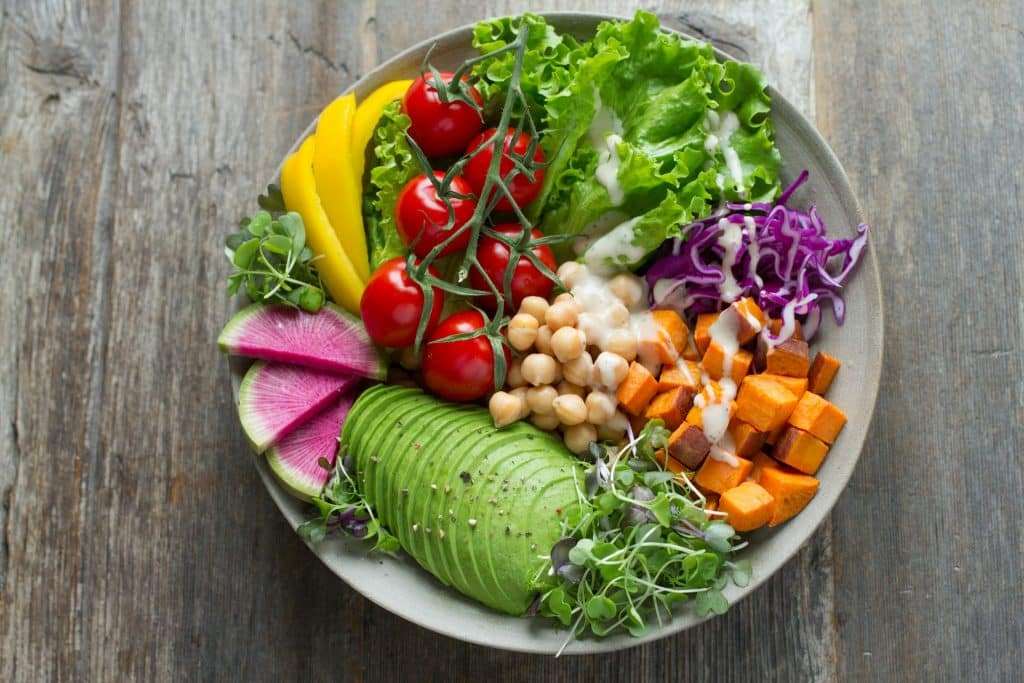
When hair loss during weight loss occurs, foods that contain lots of bioavailable B vitamins, antioxidants, zinc, and iron can help to protect hair follicles from oxidative damage. Try to rotate your food selections on a weekly basis to prevent nutrient gaps from single sources and make your eating habits more enjoyable.
Here are some ideal ingredients to include with meals and snacks:
- Spinach, kale, and other greens
- Lean poultry
- Fish
- Fruits
- Nuts and seeds
- Lentils and other legumes
- Eggs
- Greek yogurt
- Avocado
- Olive oil
Balance Your Intake of Macronutrients
In addition to boosting your micronutrients, you’ll want to balance your intake of micronutrients in a way that directly targets hair loss associated with weight loss. The goal is to reduce stress on hair follicles and get enough energy for adrenal and thyroid function by consuming a balanced combination of essential fatty acids for scalp health and amino acids for keratin production.
Here’s what a balanced caloric deficit can look like:
- Complex carbs: 45-55%
- Healthy fats: 25-35%
- Lean proteins: 20+%
Manage Stress
Keeping stress at bay can reduce cortisol levels, which may improve follicle resilience and scalp circulation. Effective practices include meditation, mild yoga, deep breathing exercises, and an overall sense of mindfulness.
Getting enough high-quality sleep can also help when experiencing hair loss with weight loss. While you sleep, hair follicles resume their active growth phases. Do your best to get seven to eight hours of sleep every night.
Aim for Gradual Weight Loss
Dropping weight too rapidly can cause physiological stress and nutritional shock, which are both factors that can trigger hair loss during weight loss. Losing one to two pounds weekly allows your body to adapt to metabolic changes, preserve blood flow, and provide hair follicles with adequate nutrition. Besides preserving hair, this approach can prevent metabolic slowdown and extreme hunger, supporting your weight loss goals, too. Consider asking your primary care physician about how to create a sustainable weight loss plan based on your individual goals and needs, as well.
Use Low-Level Laser Therapy (LLLT)
Lifestyle changes can help with hair loss with weight loss, but you may need to take even more of a proactive approach. Low-Level Laser Therapy (LLLT) devices like the The Original LaserCap deliver gentle, safe laser light energy to the scalp, which can improve blood flow and nutrient delivery to follicles, naturally and safely supporting thicker regrowth while reducing shedding, even during periods of reduced calorie intake.
Don’t Give Up: Regrowth Is Possible

Shedding hair can be nerve-wracking, but the good news is that hair loss is reversible. Once the underlying cause is addressed, the hair follicles restart the growth phase. Typically, new hairs appear in around three months from the point when the hair loss with weight loss was at its most severe. And, as long as you manage stress and nutrition properly, your hair should fully return to its pre-shedding level over the course of around six to nine months.
Chronic telogen effluvium can continue for longer than six months, but even in those rare cases, significant regrowth is possible with an optimized diet, targeted supplement intake, and an overall healthy lifestyle.
While hair loss during weight loss is difficult, try to be patient and understand that hair cycles occur over multiple months and internal recovery may not manifest as hair growth for some time.
When Professional Assistance May Be Required
Although hair loss with weight loss can usually be managed independently, there are some circumstances that may be better suited for a healthcare professional like a trichologist or dermatologist, in addition to consulting with your primary care provider.
If you’re still shedding over 100-150 hairs daily after three months of managing your diet and lifestyle, or if the hair loss seems to be worsening even with treatment, it’s best to speak to a healthcare professional.
Additionally, some more severe symptoms can be signs of a health problem besides telogen effluvium, such as an inflammatory or autoimmune condition. Seek guidance from a healthcare professional if you experience scalp irritation, signs of scarring, or patchy bald spots.
Start Your Journey Towards Happier, Healthier Hair
Hair loss with weight loss usually occurs because of telogen effluvium, a temporary condition caused by stress, nutritional gaps, and rapid metabolic shifts. In most cases, hair loss during weight loss can be reversed by eating more micronutrients, balancing your macronutrient intake, managing stress, getting enough sleep, and using a prescription-strength LLLT device.
We hope this guide is helpful as you navigate the next steps. Take our hair health quiz, and don’t hesitate to get in touch if you have any questions about how LaserCap can help to restore your natural hair with the regenerative power of light.
Get started with the strongest laser therapy device on the market. Order your LaserCap Kit now to take control of hair loss with weight loss.