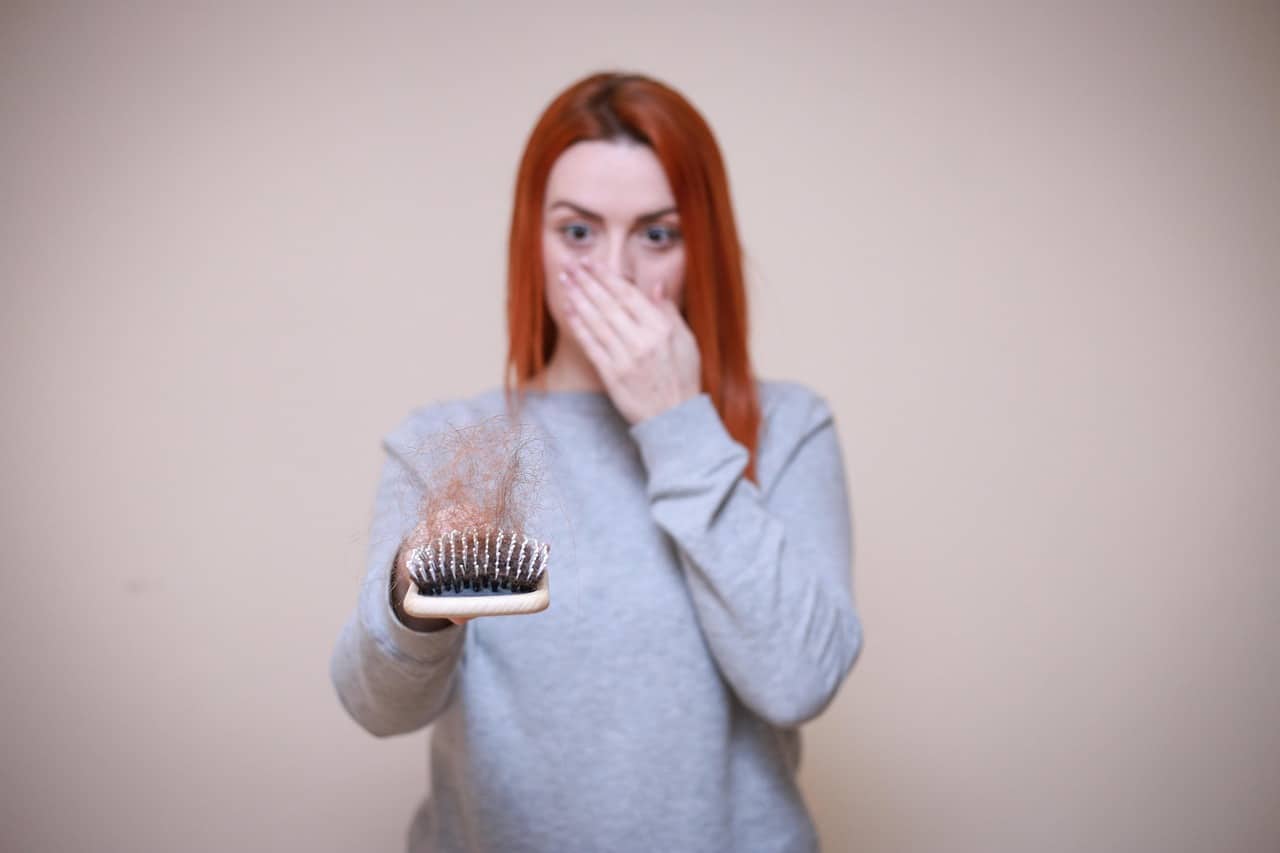
Why Some People Experience Hair Loss on Ozempic

Key Takeaways
- Weight-loss medications can trigger telogen effluvium due to stress and hormonal changes associated with rapid weight loss.
- Solutions include adjusting your diet, taking supplements, staying hydrated, managing stress, massaging your scalp, and Low-Level Laser Therapy (LLLT).
When taking weight-loss medications like Ozempic, hair loss is a common side effect. This bodily response is called telogen effluvium and typically occurs when the body goes through significant changes such as weight loss, which causes stress and hormonal changes. While dropping those pounds is a positive step for your overall health and wellbeing, learning how to stop hair loss from Ozempic allows you to enjoy the benefits without this drawback.
In this guide, we’re going to explain why you might experience hair shedding while taking weight-loss medications and provide science-backed solutions. Let’s jump right in!
A Brief Introduction to Semaglutides
Although Ozempic hair loss is the most prevalent concern due to the popularity of the medication, there are other semaglutide medications that can also cause sudden hair loss. These medications for managing type 2 diabetes and support weight loss goals are called GLP-1 receptor agonists and include Wegovy®, Zepbound, and Mounjaro.
Not everyone experiences hair loss when taking these semaglutide medications. It’s important to note that stronger GLP-1 receptor agonists like Wegovy® do have a higher risk of causing hair loss, so that’s something to keep in mind when choosing a weight-loss medication.
The good news is that Ozempic hair loss is usually temporary and reversible. Your body may just need to acclimate to the new medication, and there are ways to reduce or even stop your hair from falling out in the meantime.
Why Weight-Loss Medications Can Trigger Hair Loss

Hair loss on Ozempic and other semaglutide medications isn’t caused by the medication itself. The rapid weight loss and the stress it puts on your body is usually what triggers telogen effluvium, which is when hair follicles start the telogen (resting) phase of the growth cycle prematurely, causing hair to shed. Typically, this happens within two or three months of significant weight loss. In most cases, Ozempic hair loss stops occurring when the body adjusts to its new metabolic status and lower weight.
As you determine how to stop hair loss from Ozempic, keep in mind that it’s not only the physical stress caused by rapid weight loss that can trigger telogen effluvium. Here are some of the other common reasons why semaglutide medications causes hair to shed:
- Hormone Fluctuations: Dramatic weight loss causes hormonal changes and shifts in how blood sugar levels are regulated, which are both factors that can play a role in hair growth and loss.
- Nutritional Deficiencies: When taking Ozempic, hair loss can also be triggered by shifts in your usual eating habits. It’s common to change your diet when losing weight, and a lack of essential nutrients like biotin, zinc, iron, and vitamin D can cause hair to thin or shed.
- Response to Stress: In addition to the physical stress that weight loss puts on the body, the mental stress of dealing with hair loss can actually worsen the issue, causing a cycle of stress and hair loss that exacerbate each other.
Although experiencing hair loss on Ozempic is difficult, you can take solace in the fact that this side effect usually stops once the body is more stable, your dose is adjusted, or you stop taking the medication after achieving your weight loss goals.
What Ozempic Hair Loss Typically Looks Like
Telogen effluvium is the most common type of hair loss associated with weight-loss medications. Here are the most common signs of hair loss caused by telogen effluvium:
- Diffuse Shedding: Telogen effluvium causes hair to become thin or fall out throughout the entire scalp, rather than in individual patches.
- Delayed Reaction: The onset of telogen effluvium usually occurs within two to three months of when the significant weight loss occurred.
- Reversible: Telogen effluvium is usually temporary. Once the triggering event is over, the hair usually resumes its normal growth cycles.
It’s always a good idea to check with a healthcare professional to determine for sure if your Ozempic hair loss is caused by telogen effluvium. That way you can decide how to stop hair loss from Ozempic in a targeted way, such as adjusting your diet or taking supplements.
Ways to Prevent and Reverse Telogen Effluvium
 Now that you have a general understanding of why hair loss occurs, let’s talk about solutions.
1. Diet Changes and Supplementation
Your body needs certain vitamins, minerals, and proteins to support the health of your hair. A healthcare professional can recommend supplements and dietary changes. Here are some of the most common:
- Protein (fish, lean meats, and legumes)
- Biotin (avocados, nuts, and eggs)
- Iron (red meat, lentils, and spinach)
- Zinc (shellfish, seeds, and nuts)
- Vitamin D (sunlight, fortified foods, and fatty fish)
Managing Ozempic hair loss often requires professional guidance. Be sure to check with a healthcare professional before taking new supplements or making significant changes to your diet, especially if you have diabetes.
2. Drink More Water
Staying hydrated isn’t just important for treating hair loss on Ozempic. Drinking plenty of water throughout the day is crucial for your overall health and wellness.
3. Be Gentle With Your Hair
Your hair is extra sensitive during telogen effluvium. Try to reduce physical stress on your hair by avoiding hair products that contain harsh chemicals, using gentle hair products that are formulated specifically for managing thinning hair, and avoiding heat-based hair treatments.
4. Manage Mental and Emotional Stress
Because Ozempic hair loss can be triggered by stress, it’s important to be proactive with stress management. Try to find a way to keep stress at bay, such as practicing yoga or meditation.
5. Massage Your Scalp
Massaging your scalp gently can stimulate blood flow and encourage hair growth.
6. Use the Original LaserCap
Countless people who were wondering how to stop hair loss from Ozempic have had tremendous success with Low-Level Laser Therapy (LLLT). The Original LaserCap is a non-invasive, prescription-strength hair loss treatment that uses monochromatic red laser light to stimulate hair follicles and boost circulation to the scalp.
Many scientific studies have shown that this procedure can be a highly effective solution to thinning hair, especially if the cause is stress or a hormonal imbalance.
The Original LaserCap is a safe, natural way to overcome Ozempic hair loss. It’s convenient, too! Simply wear it periodically from the comfort of home or even on the go.
Start Restoring Your Natural Hair
If you’re currently experiencing hair loss on Ozempic, or if you want to take a proactive approach and be prepared, get your LaserCap Kit today. Start your journey towards happier, healthier hair!